The four stages of a swimmer's physical preparation
A tour of the Podium Physical Preparation Progression — and where your athletes sit today.
2 July 2026
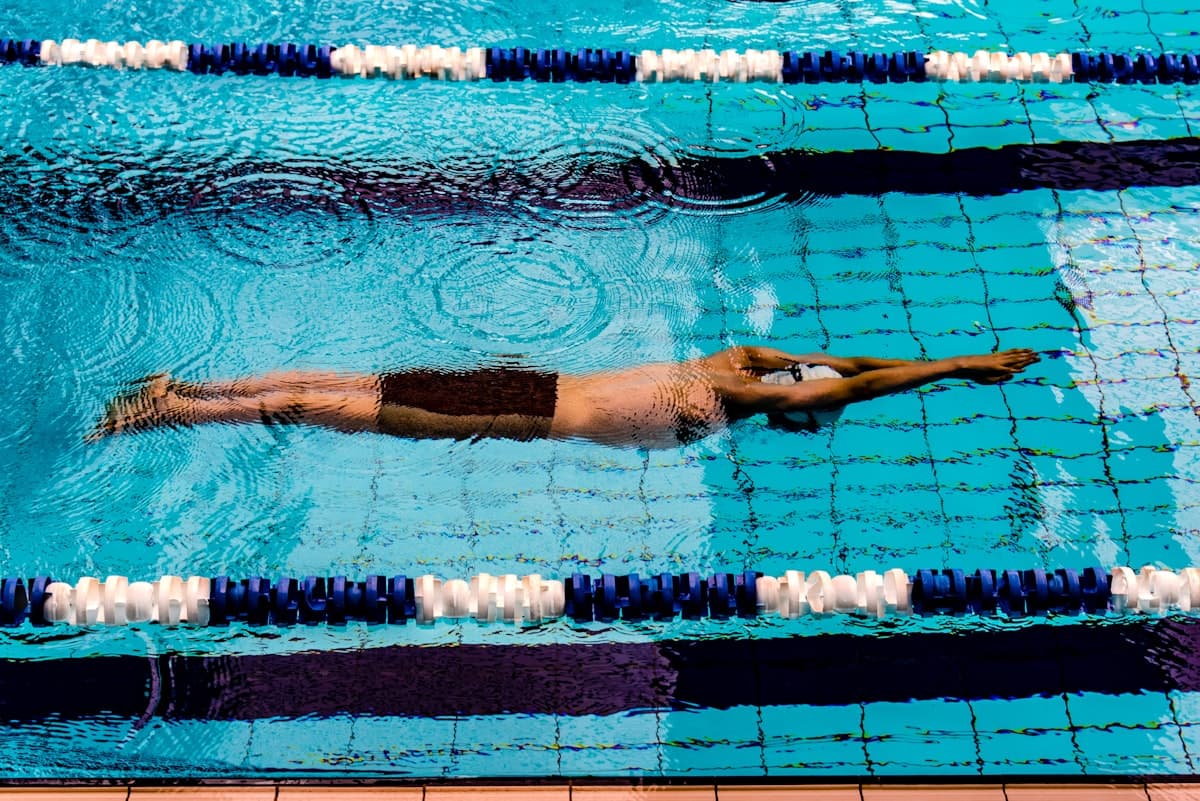
Most dryland programmes fail for one of two reasons: they ask for a stage the athlete has not earned yet, or they leave an athlete parked in a stage they outgrew two seasons ago. The Podium Physical Preparation Progression exists to stop both. It sorts training into four stages, and the only question you ever have to answer is which one the swimmer in front of you is actually in.
The four stages
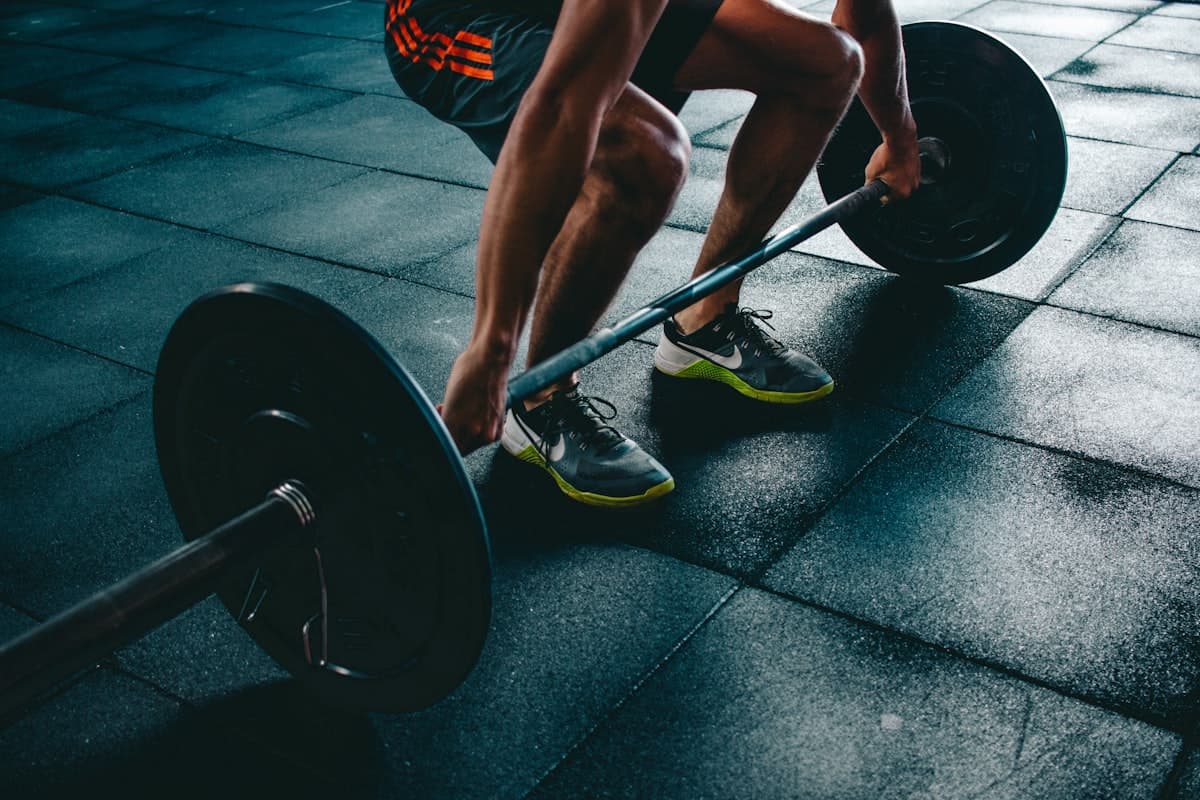
Foundation is where the athlete learns to own positions under light load. Hinge, squat, push, pull, brace, and overhead — done slowly, done well, and done often enough that they stop being a coaching project. Nothing here is impressive to watch. It is also the stage that most injuries later trace back to when it was skipped.
Development is where load starts to matter. The positions are established, so the work becomes making them strong: more weight, more controlled range, and enough repetition to build tissue that tolerates a season. This is the longest stage for most swimmers, and there is no prize for leaving it early.
Performance is where strength turns into speed. Rate of force development, jumps, throws, faster intent on familiar lifts. It is only worth running when there is strength underneath it, which is exactly why it sits third rather than first. Race-ready is the final stage: volume drops, quality holds, and the gym does nothing that costs the swimmer anything in the water during a competition period.
- Foundation and Development are about capacity — you are buying the ability to train hard later.
- Performance and Race-ready are about expression — you are spending capacity you already own.
- Stages move in one direction over a career but cycle within a season, and returning to Foundation after a break is progress, not a demotion.
Take your squad and place each swimmer in one of the four stages this week. Be honest about it — most groups sit further back than their programme assumes, and a fourteen-year-old with two years of swimming and no gym history is in Foundation regardless of how fast they are. Once everyone is placed, the programme mostly writes itself, and the next step for every athlete becomes obvious rather than a matter of taste.
Keep reading.
Want the full system?
The articles show pieces. The course teaches the whole progression, in order, with the reasoning behind every step.